

What Changes After You Switch to an Automatic Litter Box?
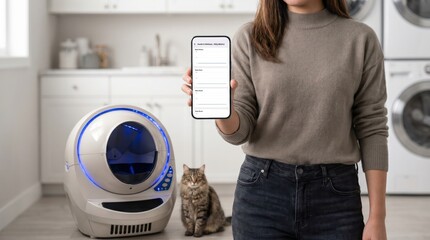
Most cat owners don't buy an automatic litter box because scooping litter is difficult. They buy one because it's repetitive. Cleaning the litter box once isn't a problem—doing it every day, sometimes multiple times a day, is.
The biggest difference becomes noticeable after the first week.
Instead of remembering to scoop before leaving for work or before guests arrive, the litter box quietly handles the routine on its own. The litter stays cleaner throughout the day, odors are less noticeable, and cats are more likely to return to a consistently fresh litter bed.
After a month, however, another reality sets in: not every automatic litter box delivers the same experience.
Some prioritize giving cats plenty of room to move naturally, making the transition from a traditional litter box almost effortless. Others focus on reducing odors through enclosed designs and sealed waste compartments, while premium models increasingly add smart monitoring features that allow owners to check cleaning activity and even monitor bathroom habits remotely.
That's why the "best" automatic litter box often depends less on the technology itself and more on your household.
A single indoor cat may only need a simple, reliable self-cleaning system that keeps maintenance to a minimum. A multi-cat family, on the other hand, benefits from larger waste capacity and more frequent cleaning cycles. Homes with limited space may place greater value on odor management than overall size, while owners of larger breeds often find that interior space is the deciding factor.
Three Models That Stand Out for Different Reasons
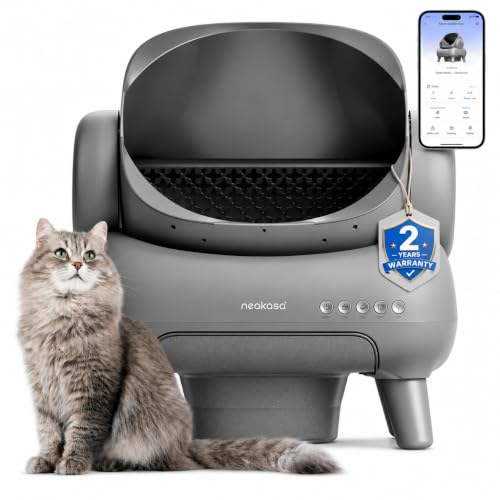
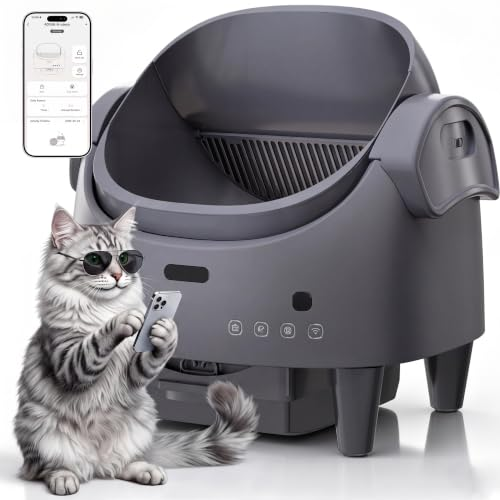
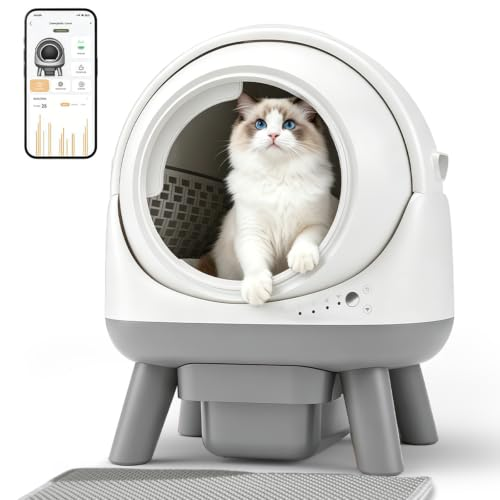
The Neakasa M1 Plus Open-Top Self-Cleaning Cat Litter Box is a strong choice for cats that dislike enclosed spaces. Its open-top design makes it easier for larger cats or hesitant pets to step in naturally, and the familiar layout can help with a smoother transition from a traditional litter box. The trade-off is that the open design may not contain odors as effectively as more enclosed models, so it is better suited to owners who value accessibility and ease of use over maximum odor control.

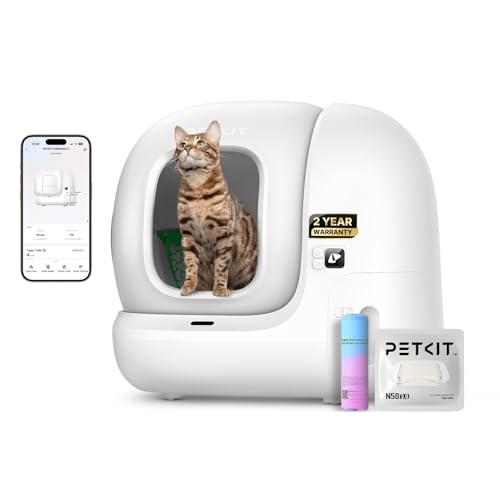
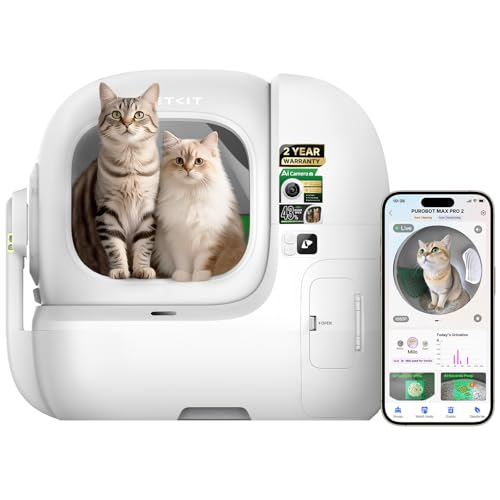
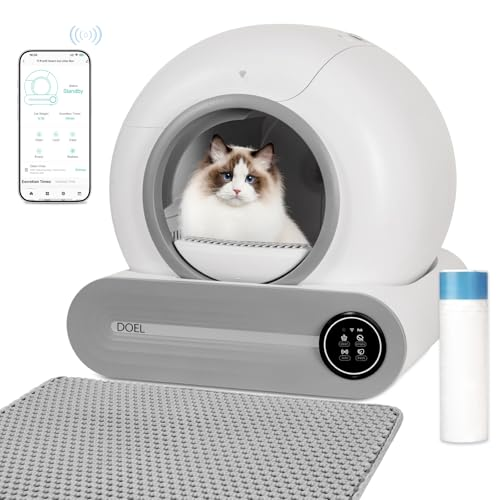
The PETKIT PuraMax 2 Automatic Self-Cleaning Cat Litter Box leans heavily into smart features and convenience. Automatic cleaning, app connectivity, and maintenance alerts make it appealing for owners who want more control and visibility over their cat’s routine. Its main advantage is the balance between automation and monitoring, but that also means it may feel more complex than simpler models, especially for users who prefer a straightforward setup without relying on an app.

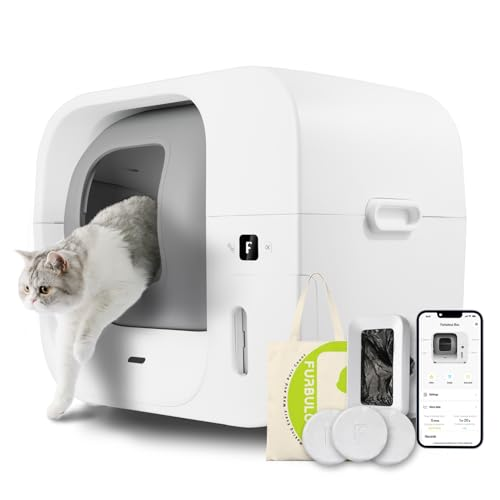
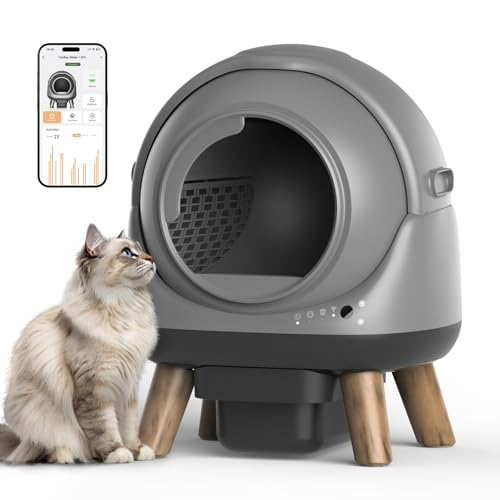
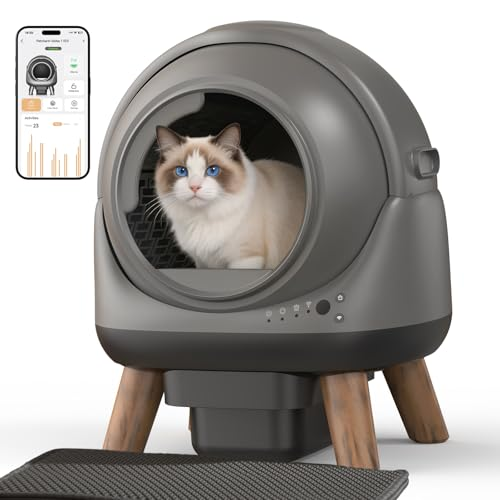
The Furbulous True Odor-Free Automatic Cat Litter Box is built with odor management as its biggest strength. Its enclosed structure and waste-sealing design help keep smells under control, which is especially useful in apartments or smaller homes. On the downside, some cats may need time to adjust to the more enclosed environment, and owners who prefer an open, easy-access design may find it less flexible than the Neakasa M1 Plus.

So, Is an Automatic Litter Box Worth It?
For most households, the real benefit isn't that an automatic litter box eliminates one chore. It's that it quietly improves the daily routine—for both the owner and the cat. Cleaner litter, fewer odors, and less time spent scooping add up over months and years, making the upgrade feel less like a luxury and more like a practical investment in everyday pet care.