

Cutting Boards Beyond the Basics: Which Design Works Best for Your Kitchen?
 A cutting board may be one of the simplest tools in a kitchen, but its design can have a noticeable impact on everyday food preparation. The right board needs to provide enough working space, remain stable under a chef’s knife, manage juices from meat and produce, and ideally make cleanup and storage less troublesome.
Bamboo has become a popular choice because it offers a useful balance of durability, relatively low weight, and a natural appearance. But within the bamboo category, boards can be designed very differently. Some prioritize a generous chopping surface, while others turn the board itself into a more organized prep station.
Rather than ranking these three products by a single “best” label, it makes more sense to look at what each design adds to the cooking process.
When Your Cutting Board Becomes Part of the Prep Station
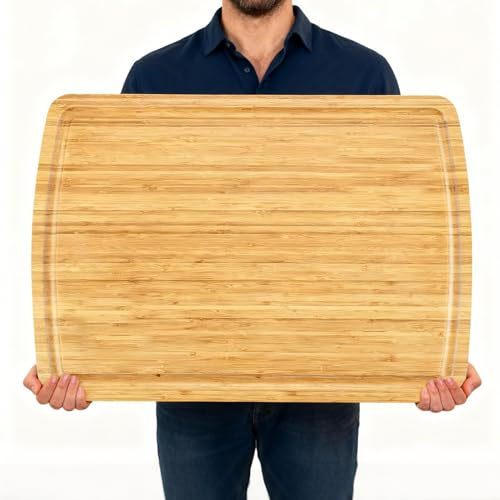
For cooks who regularly prepare large quantities of vegetables, meat, or bread, working space matters. A board that is too small quickly becomes frustrating, particularly when ingredients need to be chopped and kept separate before cooking.
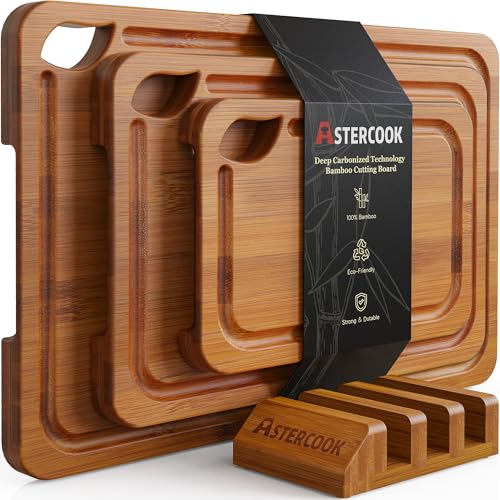
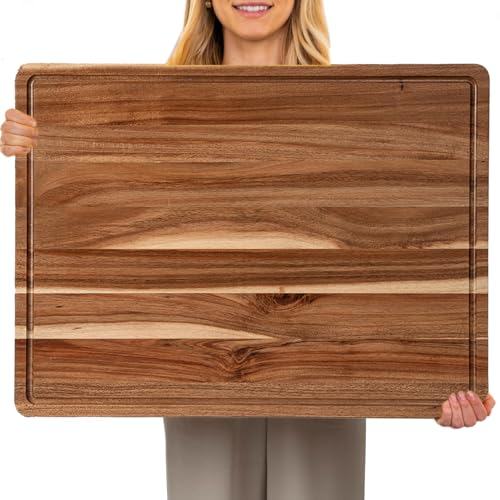
The Astercook Deep-Carbonized Bamboo Cutting Board takes the large-work-surface approach. Measuring 12 × 17 inches, it provides plenty of room for substantial prep jobs. Its deep-carbonized bamboo construction, juice groove, and side handles make it suitable for everything from chopping vegetables to carving meat and serving food.
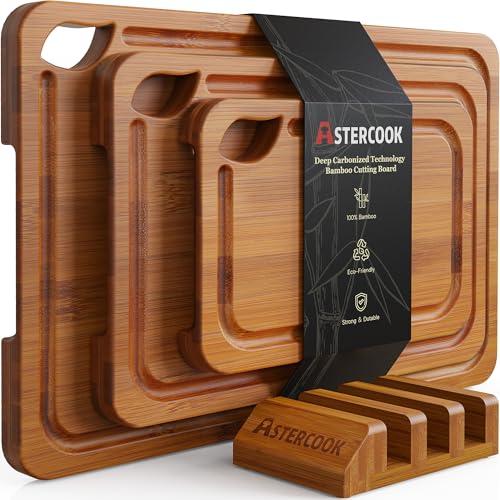
The deep-carbonized finish is also one of its defining characteristics. Astercook says the high-temperature treatment creates a denser, more moisture-resistant surface, while the board is finished with food-grade mineral oil.
When Organization Matters as Much as Cutting
A good cook often needs more than a place to chop. Seasonings, chopped ingredients, and small pieces of food can quickly turn the countertop into a collection of bowls and plates.
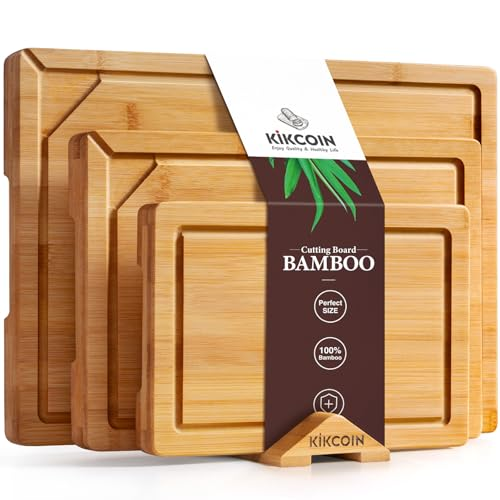
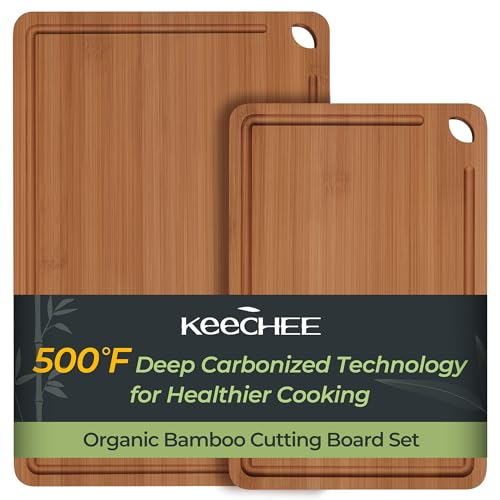
This is where the Kikcoin 3+1 Piece Self-Draining Bamboo Cutting Boards stand out. The set is designed around multitasking, with multiple board sizes and built-in compartments on the extra-large board for holding pre-measured ingredients or seasonings. Its deep juice grooves also help contain liquids during preparation.

For kitchens with limited counter space, this type of design can be particularly useful because the cutting board itself takes over some of the organizational work normally handled by additional containers.
When Variety Is More Useful Than One Large Board
Not every ingredient deserves the same amount of cutting space. A large board is convenient for a roast or a pile of vegetables, but excessive for slicing a lemon or preparing a small snack.
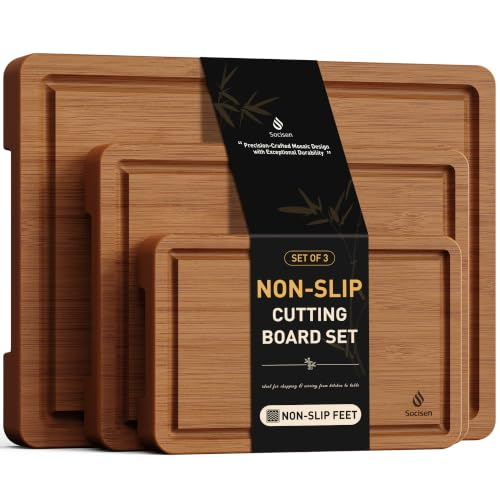
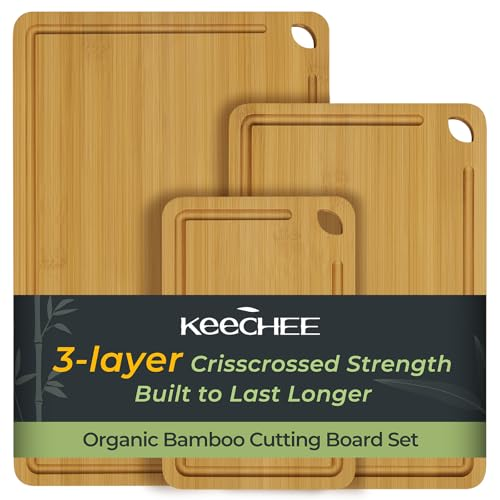
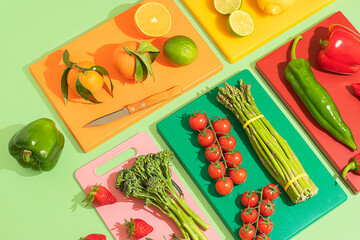
The Socisen 3 Packs Bamboo Cutting Board Set is therefore better viewed as a multi-board solution. Having several boards allows cooks to switch between tasks rather than repeatedly clearing and washing one surface. It can also make sense for households where different food-preparation tasks need to be kept separate.

The Real Difference Is in the Workflow
These three bamboo options demonstrate that cutting-board design is increasingly about more than the material itself. Astercook emphasizes a spacious, substantial work surface; Kikcoin adds built-in organization to the preparation process; while Socisen focuses on the flexibility that comes from having multiple boards available.
For everyday cooking, the best choice is ultimately the one that fits the way you prepare food. A serious home cook may appreciate extra workspace, a small kitchen may benefit from integrated organization, while a busy household may find a multi-board set more convenient.
A cutting board doesn't need complicated technology to improve a kitchen. Sometimes, the most useful upgrade is simply a better-designed surface for the way you already cook.