
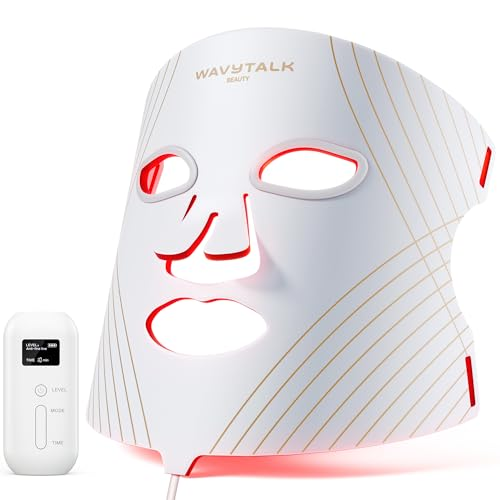

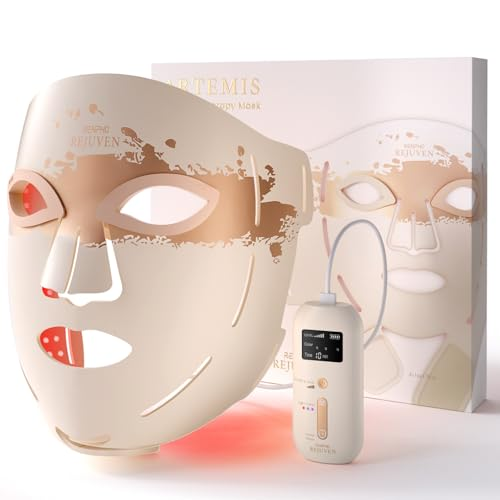
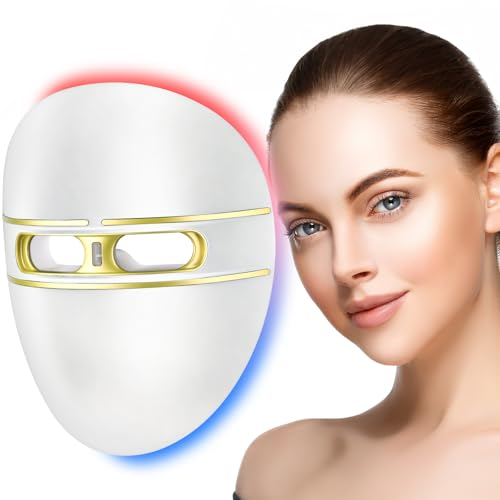
Light Therapy Masks Worth Buying - Not As Obvious As You Think

If you’ve been eyeing LED face masks for a while, you’ve probably run into two very loud opinions: people who treat them like a skincare breakthrough, and others who dismiss them as overpriced gadgets. In reality, neither side is completely right. A well-made light therapy mask can be useful—but only under a few specific conditions. The biggest one? You have to choose carefully and actually stick with it. That sounds obvious, but it’s where most people go wrong.
A lot of brands try to win you over with big numbers—more LEDs, more colors, more modes. But those details don’t automatically translate into better results. What matters more is whether the mask delivers the right wavelengths, sits properly on your skin, and fits into a routine you’ll realistically follow.
Below is a practical, no-hype breakdown of what’s actually worth buying right now.
What LED masks can do - and where expectations usually drift
Before looking at specific models, it helps to reset expectations a bit.
First, the color you see isn’t the whole story. Two masks can both glow red and still perform very differently depending on the exact wavelength and output.
Second, coverage matters more than people expect. If the mask doesn’t sit close to your skin—especially around areas like the nose or jawline—the light isn’t being delivered evenly. That’s one of the main reasons flexible designs tend to outperform rigid shells in real use.
And maybe the biggest thing: this is not a quick-result category. If you’re not using the mask multiple times a week for at least several weeks, you’re unlikely to notice much at all. A lot of “this doesn’t work” feedback comes from people who simply didn’t use it long enough.
Best overall: CurrentBody Skin LED Light Therapy Face Mask
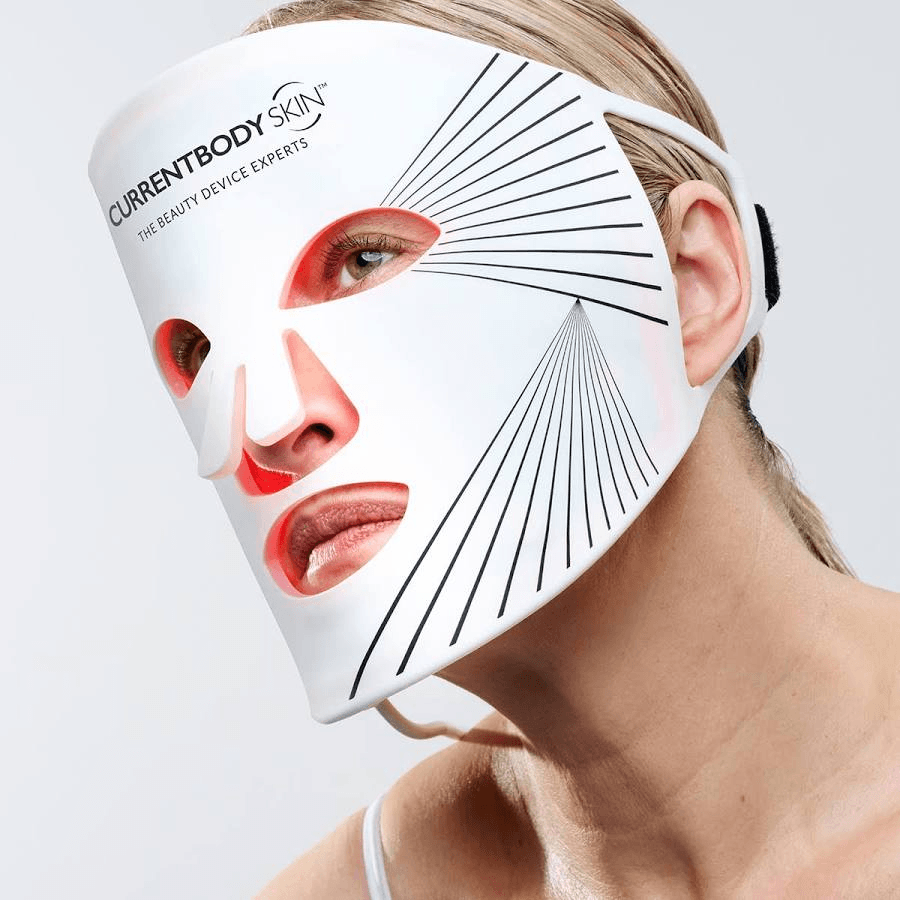
This one gets mentioned a lot, and after using it, it’s not hard to see why.
The flexible silicone design is the key feature here. It molds to your face instead of hovering over it, which means the light actually reaches the skin more consistently. That alone puts it ahead of many rigid masks. It uses both red and near-infrared wavelengths, and newer versions improved how densely the LEDs are distributed. In everyday use, it’s straightforward: around 10 minutes per session, a few times per week. No complicated setup.
The main downside is that it’s still wired. If you’re hoping to move around freely while wearing it, that’s something to keep in mind.
Best alternative: Omnilux Contour Face LED Mask
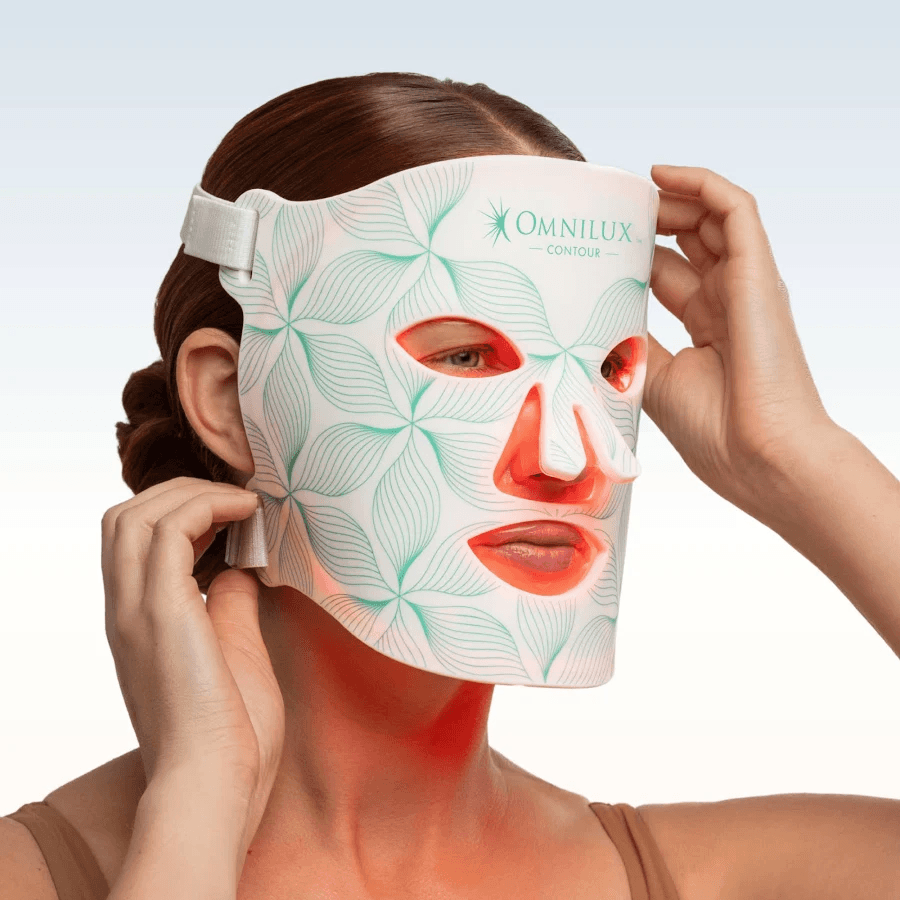
If the first option feels a bit “consumer beauty brand,” this one leans more clinical.
It doesn’t try to do everything. No overload of colors or modes—just red and near-infrared light, which are the ones most tied to anti-aging use. That simplicity is actually the appeal. Fewer settings, less guesswork. You put it on, press a button, and that’s it.
It’s also one of the most frequently mentioned masks in user rankings and forums, which says a lot about long-term satisfaction.
Where most buyers trip up
Interestingly, the biggest mistakes have less to do with the products themselves and more to do with how people choose and use them.
Buying based on specs alone
Numbers look impressive—LED count, modes, power—but they don’t tell you how the mask feels to use. And if it’s annoying, you won’t use it.
Choosing a rigid mask
These tend to sit away from the skin, especially around the nose and jaw. That gap matters more than you’d expect.
Expecting visible results too fast
If you’re checking your face after three sessions, you’re going to think it doesn’t work. That’s just how this category is.
Are light therapy masks actually worth buying?
They can be—but only in the right context.
They make sense if you:
- prefer low-effort skincare routines
- are willing to stick to a schedule (3–5 times weekly)
- want gradual improvements instead of quick fixes
They’re less convincing if you’re looking for fast results or tend to drop products after a week or two.
Final thought
LED masks sit somewhere in between “nice to have” and “actually useful.” They’re not essential, but they’re not pointless either.
Used regularly, a good one becomes part of the background—similar to applying moisturizer. Nothing dramatic happens overnight, but over time, you’d notice if you stopped.
Used inconsistently, though, it’s a different story. Then it’s just another device that seemed like a good idea when you bought it—and hasn’t been touched since. That gap between intention and habit is really what determines whether it’s worth it.