

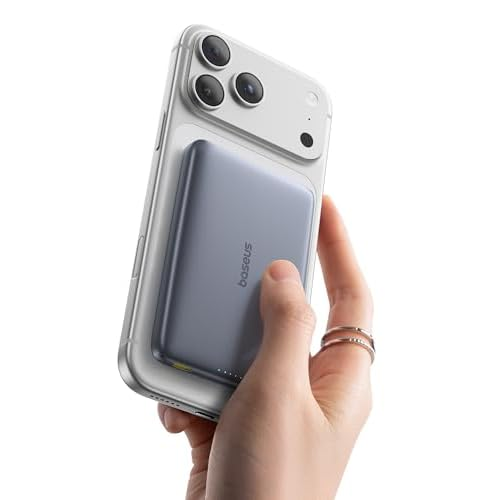
The 2026 Power Bank Pivot: Why We’re Finally Moving Past "Dumb" Batteries

In an era where our lives are essentially tethered to our devices, the "low battery" warning is the modern-day equivalent of a jump scare. Whether you're a digital nomad hopping between coffee shops or just someone trying to survive a long-haul flight without your tablet dying mid-movie, a reliable power bank isn't just a luxury—it’s a survival tool.
As someone who runs a product testing site, I’ve seen dozens of these "bricks" cross my desk. Most are boring, some are bulky, and a few are downright unreliable. However, two recent releases have actually managed to impress me for very different reasons. Let's dive into the gear that’s currently keeping my tech alive.
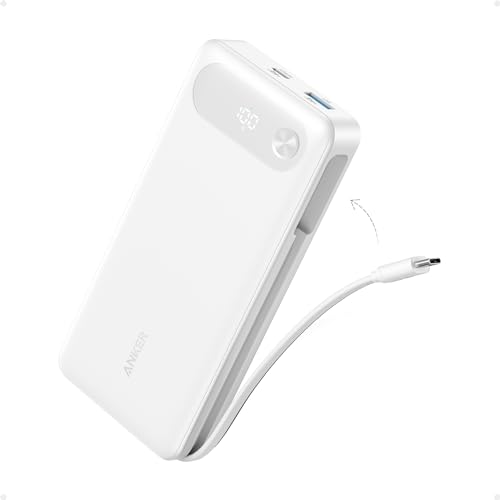
The Powerhouse: Anker 737 Power Bank (PowerCore 24K)
If you're looking for the "muscle" of the portable charging world, this is it. The Anker 737 isn't just a battery; it feels like a piece of high-end industrial equipment.
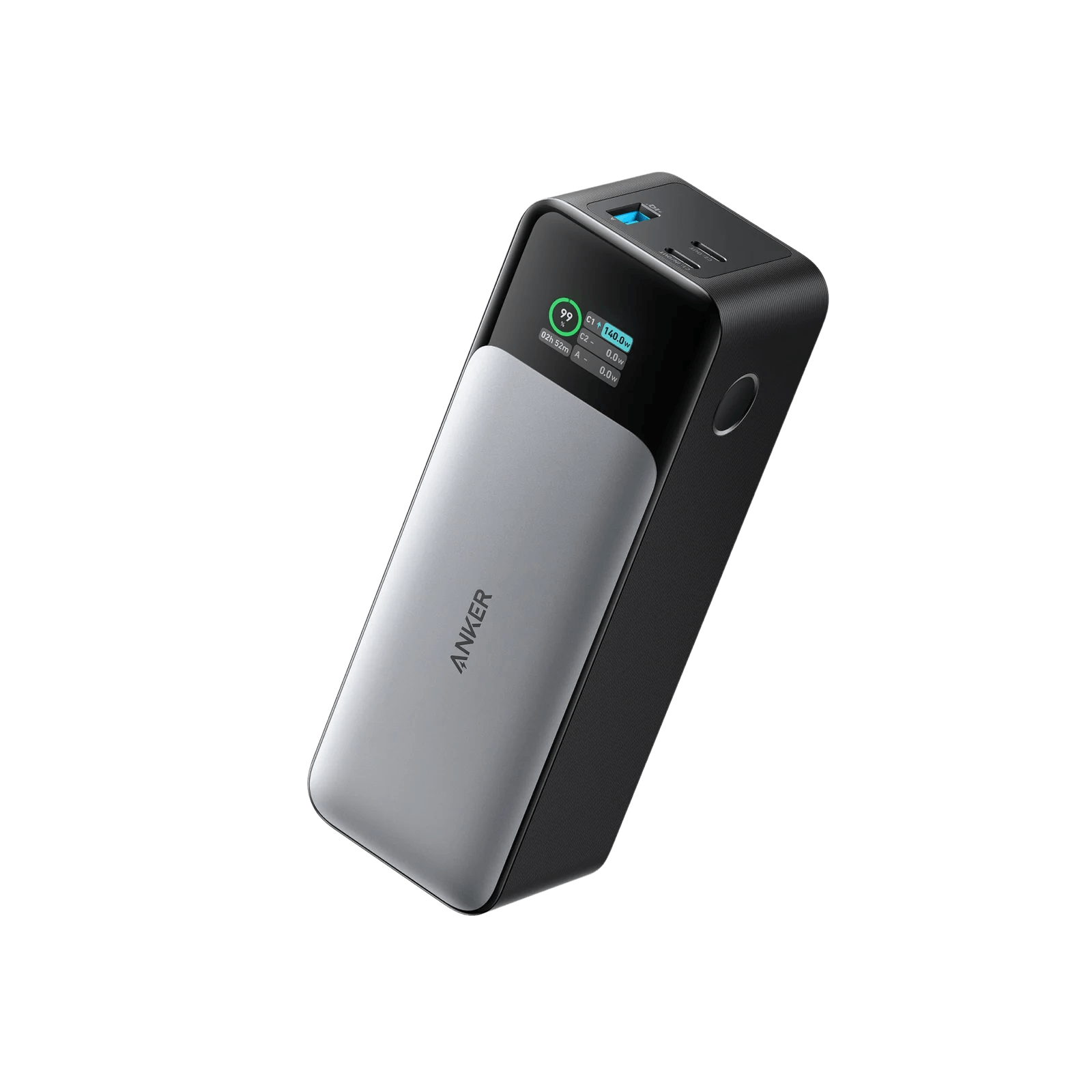
The standout feature here is the 140W two-way fast charging. Most power banks struggle to top up a smartphone quickly, but this thing can actually handle a 16-inch MacBook Pro. What I personally love is the Smart Digital Display. Instead of guessing how much juice is left based on four tiny blinking LEDs, this screen gives you the exact percentage, the real-time input/output wattage, and even an estimate of how long it will take to recharge the bank itself. It’s a bit of a "nerd" feature, but when you’re in a rush, knowing you have exactly 12 minutes of charge time left is incredibly helpful.
The Reality Check:
It’s heavy. At about 630 grams, you’re going to feel this in your backpack. It’s also quite chunky—roughly the size of a soda can but rectangular. If you’re a light traveler who only needs to charge a phone once, this is probably overkill. But for carrying "pro" gear, the peace of mind is worth the weight.
The Sleek Companion: Baseus Blade 100W Laptop Power Bank
On the complete opposite end of the design spectrum is the Baseus Blade. While the Anker is a "brick," the Baseus is a "slab."
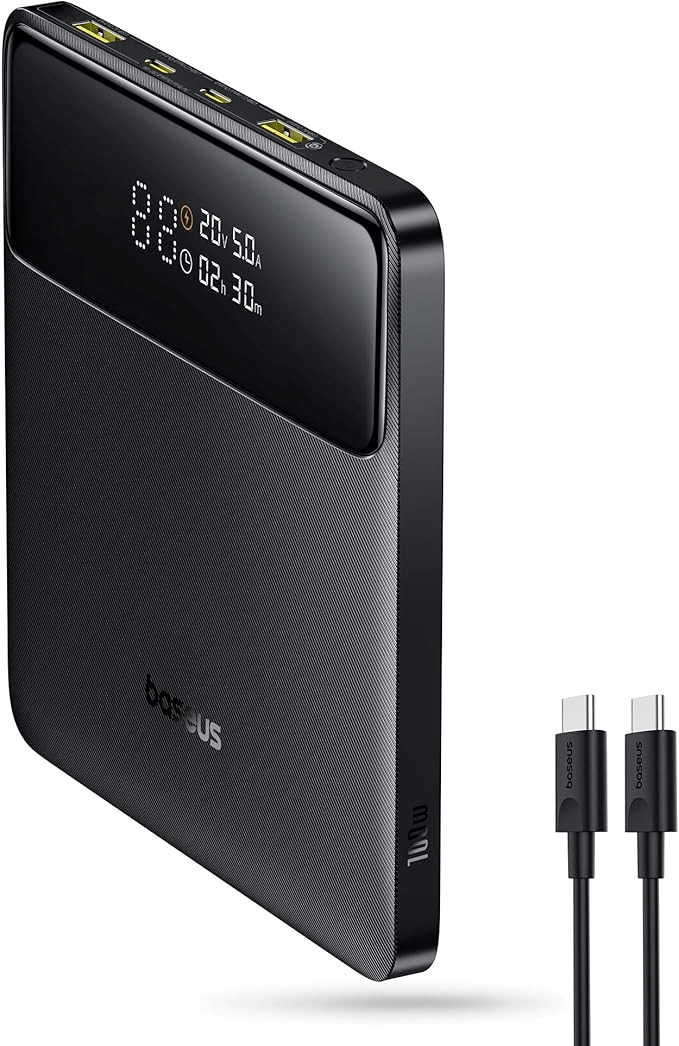
The genius of the Baseus Blade is its ultra-slim form factor. It’s only about 0.7 inches thick. This means it slides into a laptop sleeve or the document pocket of a briefcase effortlessly. Despite being thin, it packs a 100W output. In my testing, it handled my Dell XPS 13 without a hiccup. It also features a digital display that, while simpler than Anker’s, provides all the essential data: battery percentage, voltage, and charging time. It’s got two USB-C ports and two USB-A ports, making it a great "hub" for a small group or multiple personal devices.
The Reality Check:
Because it’s so thin and flat, it has a larger surface area. It won't fit in your pocket like a small phone charger would. Also, because it’s made of a smoother plastic finish, it tends to show fingerprints and scratches more easily than the ruggedized exterior of the Anker. It’s a "cleaner" look, but you’ll want to use the included carrying pouch if you want to keep it looking pristine.
Which One Should You Actually Buy?
Choosing between these two really comes down to your packing style.
If you’re someone who carries a deep backpack and needs the absolute fastest charging speeds for multiple high-drain devices, the Anker 737 is the king. It feels indestructible and the data-rich screen is genuinely useful for monitoring battery health over time. However, if you're a commuter or a student who carries a slim messenger bag or a laptop sleeve, the Baseus Blade is a revelation. It provides high-speed charging without the "bulge" that usually comes with it.
Final thoughts
At our testing, we look for products that solve real-world problems. Both of these power banks move away from the "cheap plastic box" era of portable power and offer something that feels premium and, more importantly, dependable. In 2026, you shouldn't have to settle for a charger that takes five hours to fill up or leaves you guessing when it’s going to die. These two are currently the gold standard in my book.