

Smart Plugs Are Getting Smarter: Which Type Fits Your Home?
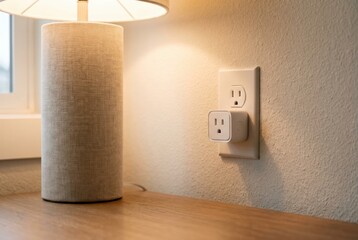 A smart plug can be one of the simplest ways to introduce automation into a home. It can turn an ordinary lamp into a scheduled light, let you control appliances remotely, or shut devices down automatically when they are no longer needed. But not every smart plug is designed around the same idea of convenience.
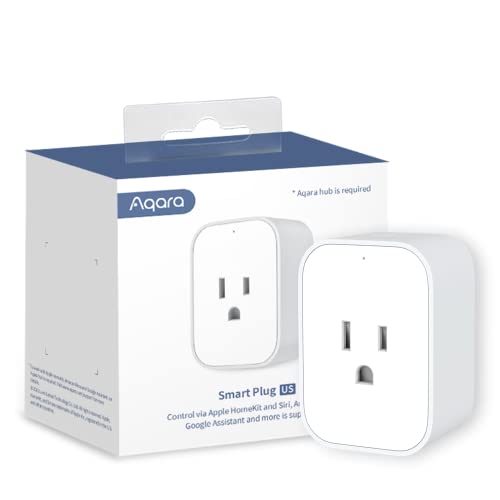
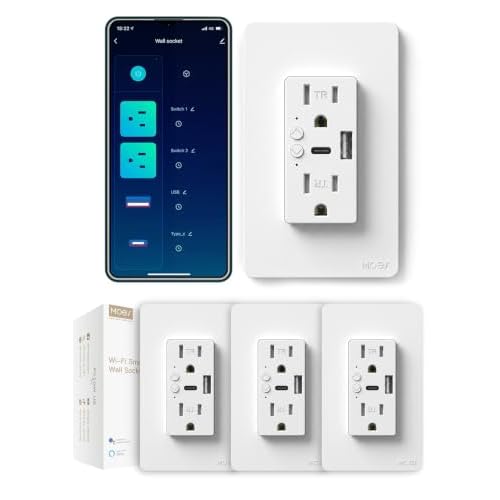
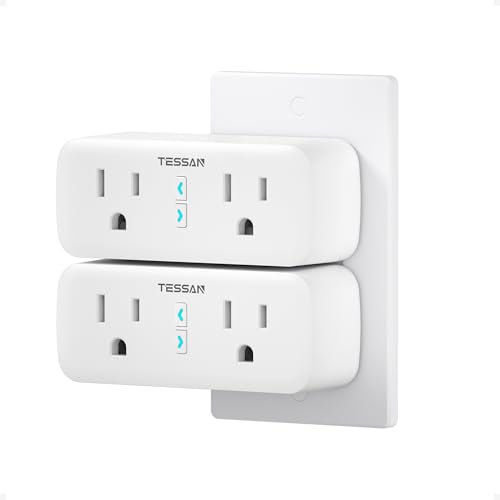
The three models here illustrate three different approaches: Aqara focuses on smart-home integration and energy monitoring, MOES turns the wall outlet itself into a multifunctional control point, while TESSAN emphasizes a straightforward plug-in solution for everyday automation.
Start With the Ecosystem
Before looking at timers or voice commands, compatibility should be the first consideration. A smart plug that doesn't communicate well with the rest of your smart home can quickly become another isolated device.
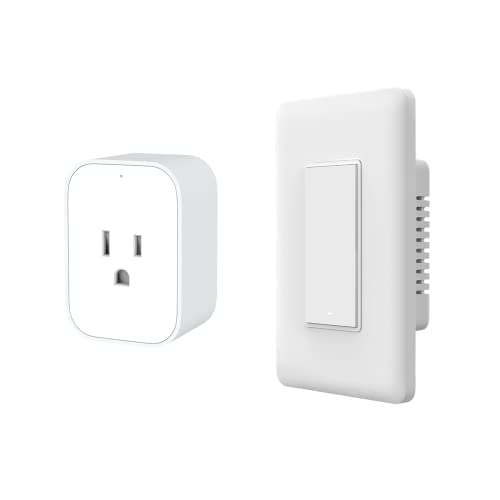
The Aqara Zigbee Smart Plug is aimed at users already building a connected-home ecosystem. It uses Zigbee rather than connecting directly to Wi-Fi and requires an Aqara Zigbee hub. Once connected, it works with Aqara Home, Apple Home, Alexa, and Google Home. Aqara also provides energy monitoring, scheduling, remote control, and overload/overheat protection.
This makes Aqara particularly interesting for users who want smart plugs to participate in broader home automations rather than simply replacing a physical switch.

When the Outlet Itself Needs an Upgrade
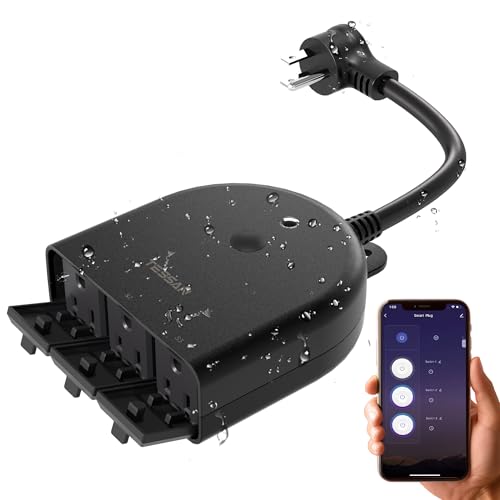
The MOES Smart USB Wall Outlet Receptacle takes a fundamentally different approach. Instead of adding a smart plug to an existing socket, it replaces the wall outlet with a connected unit that incorporates USB charging.
Its Wi-Fi-based design doesn't require a separate hub, although installation requires a neutral wire and basic electrical knowledge or a professional electrician. The MOES app provides remote control, scheduling, and individual output control, while the outlet supports a total load of up to 2,500W on the version specified by MOES.
For a home office, bedside table, or charging station, this integrated approach can be more visually streamlined than having several adapters occupying the same outlet.

The Simple Plug-In Option
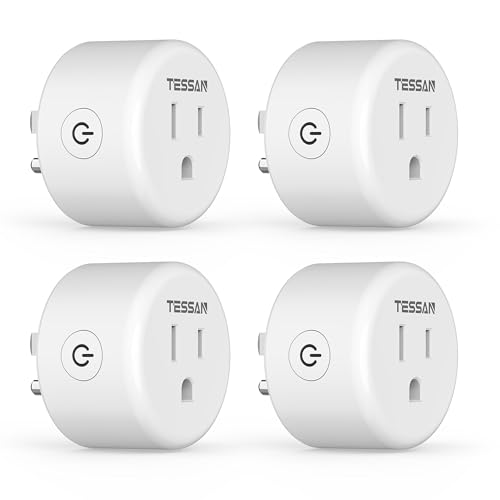
The TESSAN 2 Pack Smart Plug is better suited to users who want to automate several everyday devices without turning the project into a major smart-home upgrade. A two-pack is also practical when the goal is to add automation in multiple rooms—for example, controlling bedside lamps, floor lamps, fans, or other compatible appliances.
Its appeal is less about creating a sophisticated smart-home infrastructure and more about adding basic scheduling and remote-control functionality where it is useful.

Three Designs, Three Priorities
The differences become clearer when viewed through everyday use:
Aqara makes the most sense for a connected smart home where Zigbee, energy monitoring, and ecosystem integration matter. MOES is the more integrated solution for anyone who wants to upgrade the wall outlet itself and gain USB charging at the same time. TESSAN, meanwhile, is the practical direction for users who want multiple smart outlets with minimal disruption to existing sockets.
The best smart plug is therefore not necessarily the one with the most features. The more important question is whether you need a smart-home component, a multifunctional wall outlet, or a simple way to automate ordinary appliances. Once that priority is clear, choosing between these three designs becomes considerably easier.