

Water Filtration Systems: A Better Way to Think About Clean Drinking Water
Choosing a water filtration system is less about finding the most advanced technology and more about deciding what you want to improve. For some households, the priority is reducing a broad range of contaminants. Others mainly want better-tasting tap water without giving up valuable countertop or cabinet space.
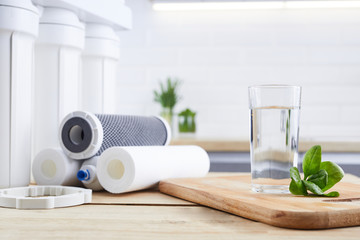
That distinction matters because water filtration systems come in very different formats. Reverse osmosis (RO) systems use a multi-stage filtration process and are designed for more comprehensive purification, while conventional under-sink filters can provide a simpler installation and focus on specific contaminant categories. Countertop systems sit somewhere in between, offering filtration without requiring permanent plumbing modifications.
Start With the Water, Not the Machine
Before comparing specifications, it is worth understanding the water entering your home. Municipal water and well water can have very different characteristics, and filtration requirements vary accordingly. Certification is also more meaningful than a long list of filtration claims. Standards such as NSF/ANSI 42 and 53 can indicate performance against specific classes of contaminants, but they should always be considered in relation to the actual filter's certified claims.
Installation Can Change the Buying Decision
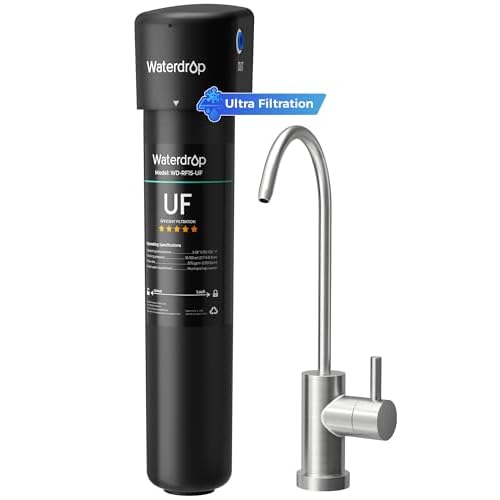
A powerful filtration system isn't particularly useful if installation becomes a major project. Under-sink systems provide a clean, integrated appearance and leave countertops free, but installation may require access to plumbing and cabinet space.
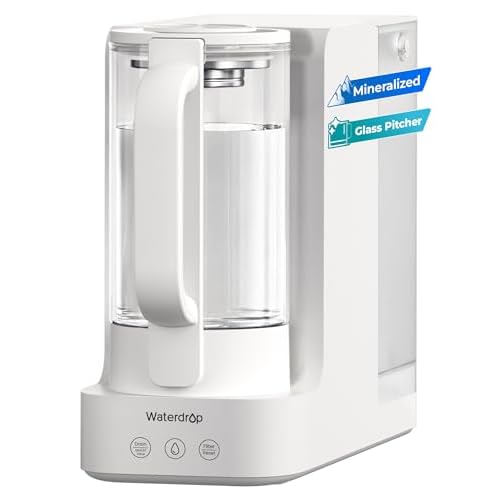
Countertop RO systems offer a different advantage: convenience. They generally require less permanent installation and can be a practical solution for renters, apartments, offices, or households that don't want to modify their existing plumbing.
Maintenance should also be considered from the beginning. Filter replacement frequency, replacement-part availability, wastewater generation for RO systems, and the cost of maintaining the unit can have a greater impact on long-term ownership than the initial purchase price.
Three Systems, Three Approaches
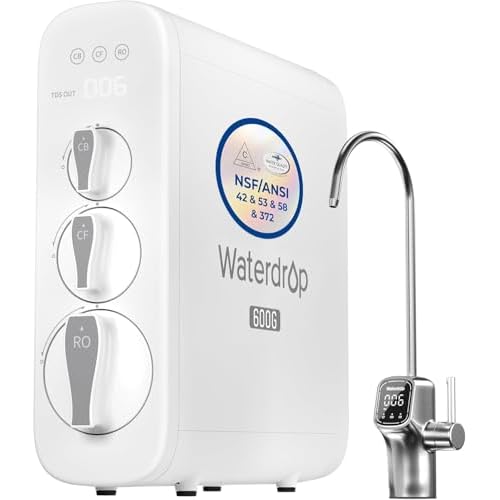
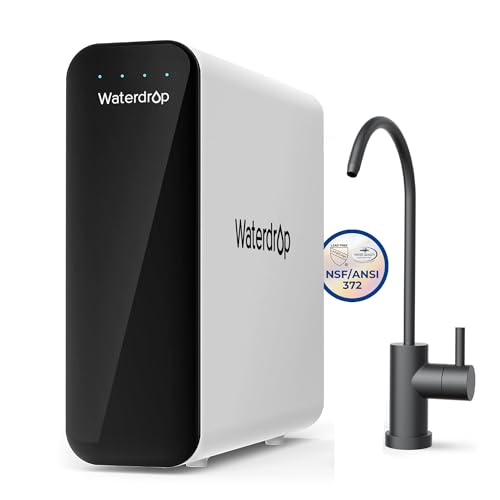
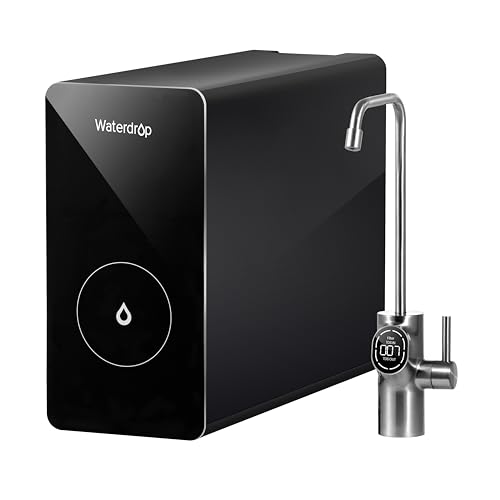
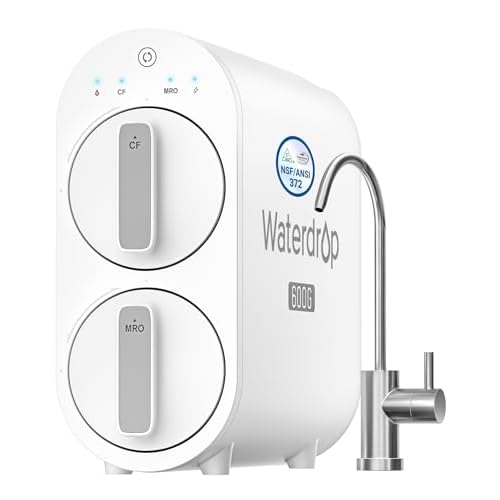
The Waterdrop G3P600 Reverse Osmosis System is aimed at households that want the comprehensive filtration associated with reverse osmosis while keeping the system integrated beneath the counter. Its high-capacity design makes it particularly appealing for families that use filtered water frequently for drinking and cooking.

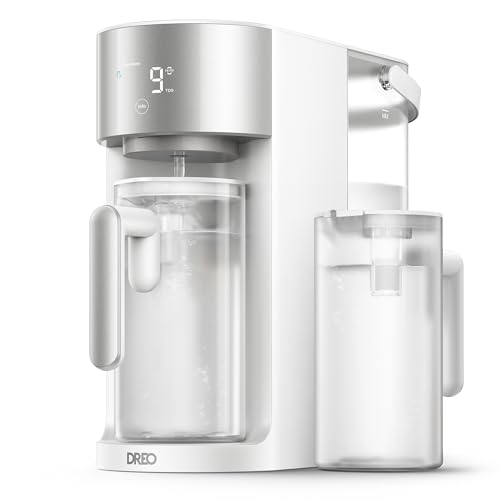
The DREO Reverse Osmosis Water Filter Countertop takes the opposite approach to installation. Instead of occupying cabinet space or requiring permanent plumbing work, its countertop format provides a more flexible solution. This makes it especially attractive for renters, smaller kitchens, and users who want to start using filtered water with minimal setup.

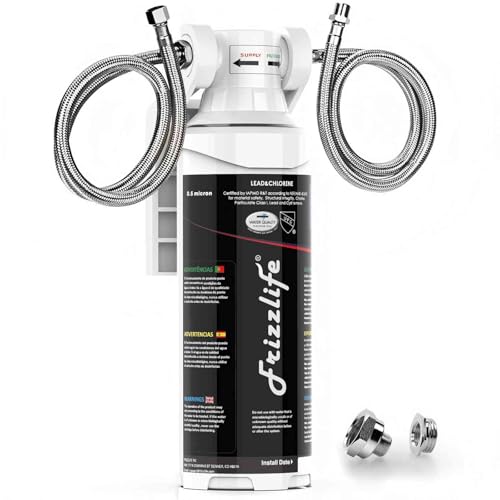
The Frizzlife Under Sink Water Filter System-NSF/ANSI 53&42 Certified focuses on a more streamlined under-sink solution. Its NSF/ANSI 53 and 42 certifications address specific filtration performance categories, while the compact installation keeps the filtration system largely out of sight. For households that don't necessarily need a full RO system, this can offer a practical middle ground.

The Right System Depends on What You Need to Filter
There is no universal winner in water filtration. RO systems make sense when broad purification is the priority, countertop models offer greater installation flexibility, and certified under-sink filters can provide a simpler alternative for everyday drinking water.
The most sensible purchase is therefore the one that matches three things: your water quality, your available installation space, and the level of filtration you actually need. Looking beyond headline filtration numbers can help turn a complicated category into a much easier decision.