

AI Glasses Are Finding Their Purpose: Three Smart Glasses for Three Different Days

AI glasses are becoming less about putting a tiny computer on your face and more about removing the need to reach for your phone. A camera can capture a moment from your point of view, an AI assistant can answer questions hands-free, and open-ear audio can make translation or calls part of a normal conversation. But different models emphasize different parts of that experience.
The Rokid AI Glasses Style, Hwagol Smart Glasses with Camera, and OHO AI Smart Glasses offer three noticeably different approaches.
A Day That Needs an AI Companion
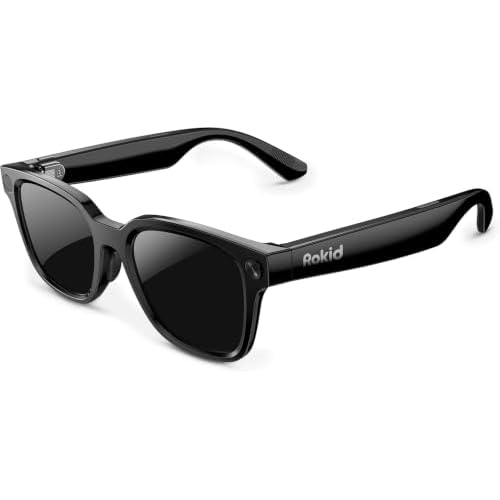
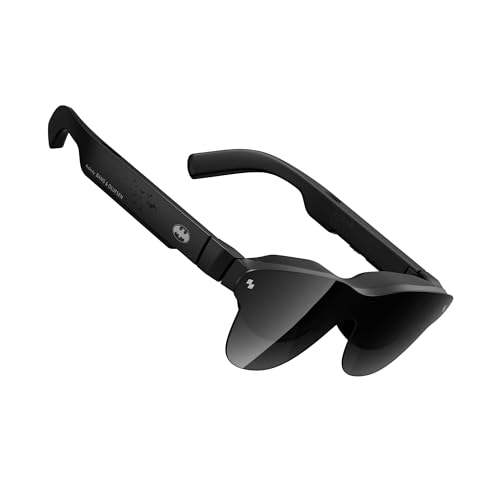
The Rokid AI Glasses Style are designed to feel more like everyday eyewear than a technology accessory. At around 38.5g, they use a lightweight TR90 frame with titanium-alloy hinges and have no built-in display, meaning interaction happens primarily through voice, audio, and the camera.
The hardware is considerably more ambitious than a simple pair of Bluetooth glasses. A 12MP Sony IMX681 camera supports up to 4K photography and video recording up to 3K/30fps, while Wi-Fi 6, Bluetooth 5.3, four microphones, and open-ear speakers support AI interaction, calls, music, and translation. Rokid also supports AI services including ChatGPT and Gemini, depending on region and software availability.
For travelers, commuters, and users who want one pair of glasses to handle several everyday tasks, this is the most comprehensive concept of the three.

A Day Built Around Recording
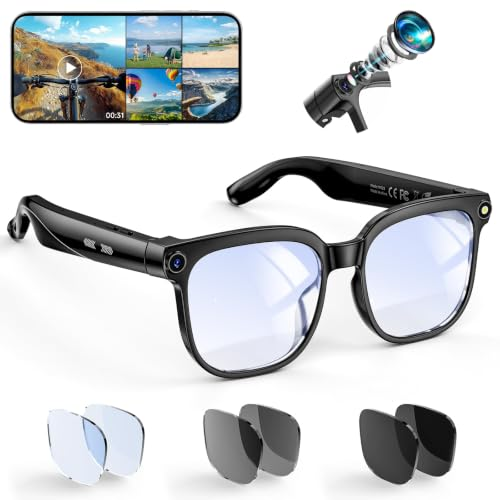
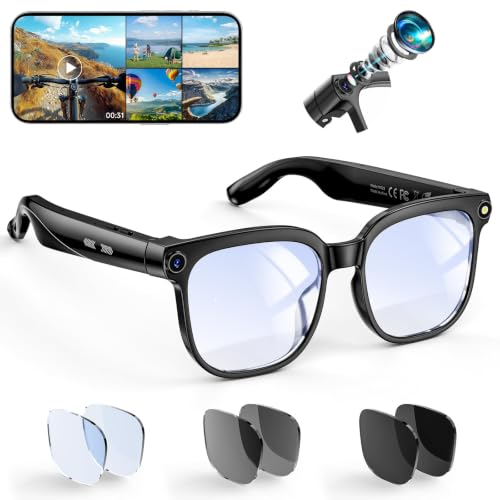
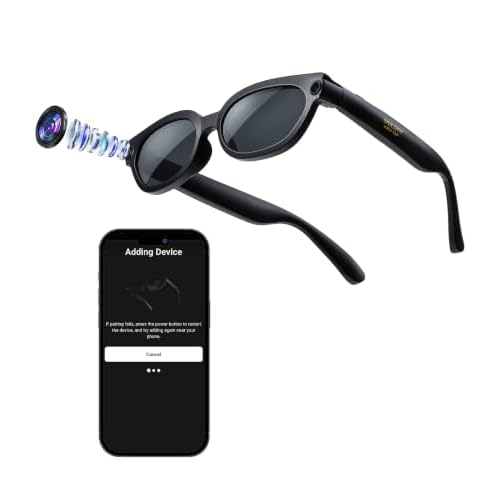
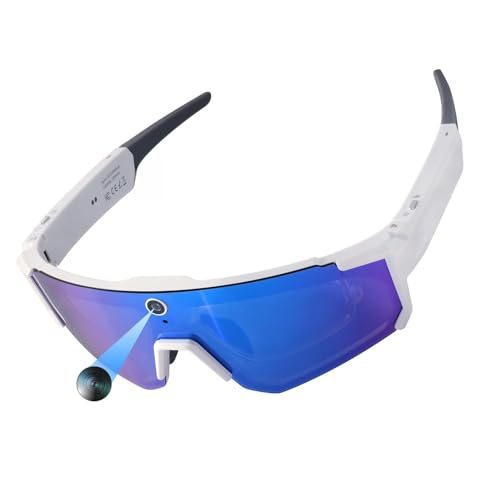
The Hwagol Smart Glasses with Camera put the camera experience much closer to center stage. Their 8MP camera is designed for hands-free photography and stabilized 1080p video, while the glasses can also capture high-resolution photos. AI functions include voice Q&A, object and landmark recognition, and real-time translation.
Bluetooth calling and music playback make them useful beyond recording, while the 300mAh battery is rated for up to 150 minutes of continuous use, seven hours of music playback, or three hours of talk time. An IP65 rating also gives them more protection against dust and water than many basic camera glasses.
That combination makes Hwagol particularly interesting for cycling, travel, pet walks, family activities, or anyone who wants a simple way to record first-person footage without holding a phone.

A Day That Moves Between Places
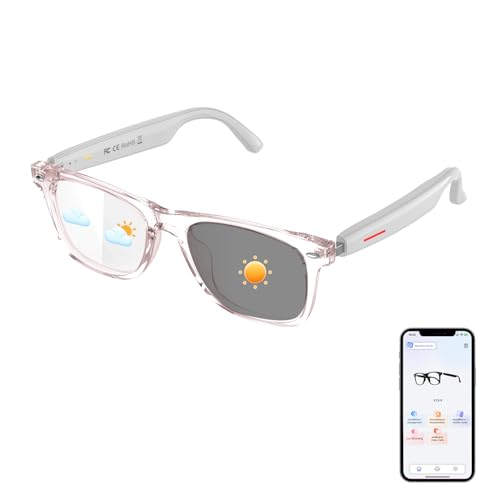
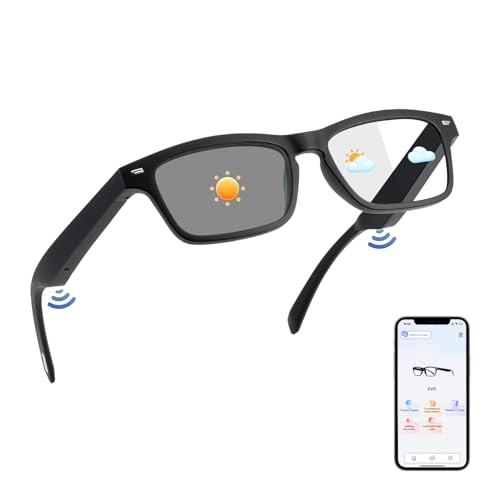
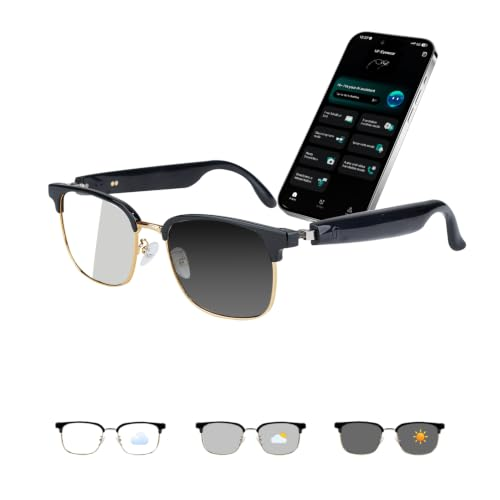
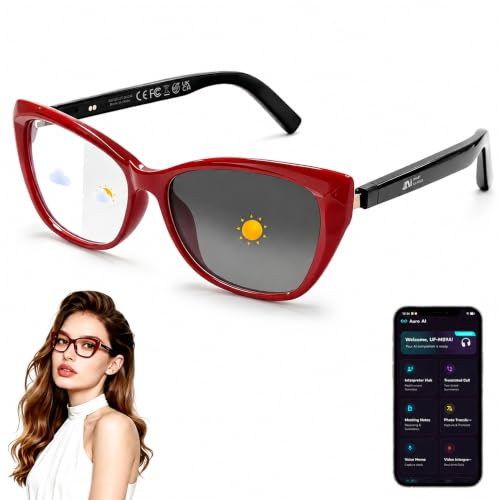
The OHO AI Smart Glasses take a more lifestyle-oriented route. Rather than concentrating solely on camera functions, OHO's current smart-glasses lineup emphasizes open-ear audio, AI translation, photochromic lenses, hands-free calls, and lightweight everyday wear.
For example, the OHO Sunshine GlobeEar uses a 33g TR90 frame, photochromic blue-light-blocking lenses, Bluetooth 5.2, open-ear speakers, and a claimed 10-hour battery life. Its AI translation supports up to 165 languages.
For users who move between indoor and outdoor environments frequently, automatically adjusting lenses and long battery life may be more useful than having the most advanced camera.

The Difference Is Really About What You Want to Leave Behind
These three glasses show how broad the AI-glasses category has become. Rokid AI Glasses Style combine camera, AI, audio, and translation into a lightweight everyday format. Hwagol leans toward hands-free recording while retaining useful AI and communication functions. OHO focuses more heavily on open-ear audio, translation, comfort, and daily mobility.
The interesting question is therefore not simply which glasses have the most technology. It is which everyday task you most want to stop using your phone for—capturing memories, asking AI questions, or staying connected while keeping your hands and attention free.