
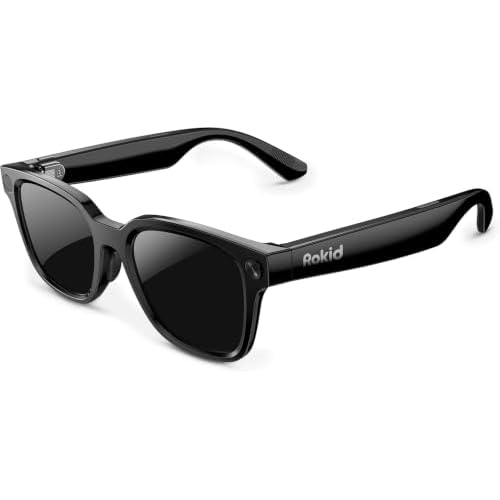

Rokid AI Glasses Style: Screen-Free Smart Glasses for AI, Translation and Hands-Free Capture
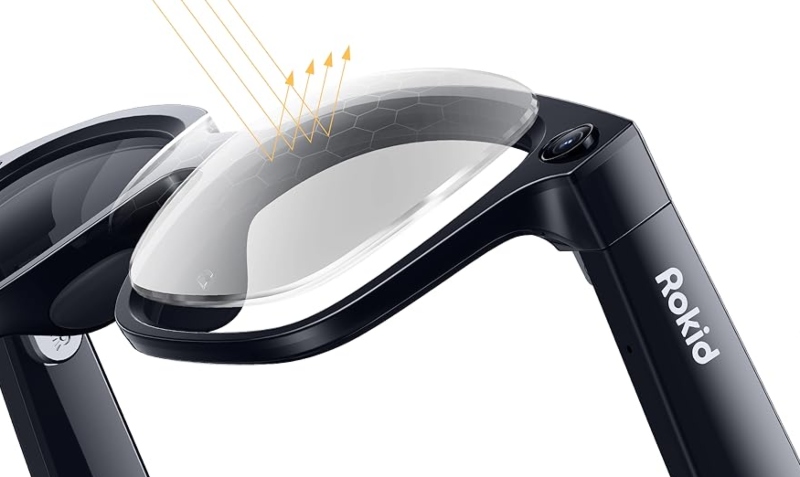
The Rokid AI Glasses Style are designed for people who want AI assistance and hands-free functionality without adding another screen to their daily routine. Instead of displaying information in front of your eyes, these smart glasses use voice, gestures, open-ear audio and a built-in camera for tasks such as AI assistance, translation, calls and first-person recording.
Why These Smart Glasses Are Different
The biggest distinction is the no-display design. Rather than functioning like AR glasses with visual information on the lenses, the Rokid AI Glasses Style deliver responses through audio while keeping your surroundings visible.
They support both ChatGPT and Gemini, with voice commands for object recognition, information retrieval and creative tasks. The glasses can also provide spoken assistance based on what the camera sees, making them useful when reaching for a phone would interrupt what you are doing.
The Features That Matter Most
The 12MP first-person camera is a major reason to consider these glasses. It uses a Sony IMX681 sensor and EIS for photos and 3K video, allowing you to capture moments from your own viewpoint without holding a phone. Voice or the shutter button can trigger recording.
For travelers, real-time translation is another standout feature. Online translation supports 76 languages through Microsoft Translator, while offline translation covers eight listed languages: English, Chinese, Japanese, French, German, Spanish, Russian and Korean. The product is positioned for travel and conversations where keeping your hands free is useful.
The glasses also support hands-free calls, reminders, notes and navigation, turning voice commands into practical everyday shortcuts.
Built for Use Outside the Home
At 38.5g without lenses, the glasses use a TR90 polymer titanium frame with titanium alloy hinges. The open-ear speakers provide audio while allowing ambient sounds to remain audible, which can be useful when walking, cycling or travelling.
Control is not limited to voice. The glasses support gesture and touch interactions, including nodding to answer calls, shaking to hang up and two-finger taps for AI functions.
The battery is rated for up to 6 hours of music, 5 hours of calls, 2 hours of online translation or 45 minutes of video recording, depending on the activity. An optional 3150mAh charging case is available separately for longer trips.
The Real Buying Question: Do You Need a Screen?
This is where the Rokid AI Glasses Style becomes easier to evaluate.
If you want notifications, information or images displayed directly in front of your eyes, these are not designed for that use. The product specifically has no display.
But if your priority is keeping your hands and eyes free while still accessing AI, translation, calls and camera functions, the screen-free approach makes more sense. You can hear AI responses, capture what you see and interact through voice or gestures without constantly looking down at a phone.
The glasses are therefore better suited to travelers, vloggers, cyclists and people who frequently need hands-free assistance than to buyers looking for conventional AR visual overlays.
What Else Should You Know?
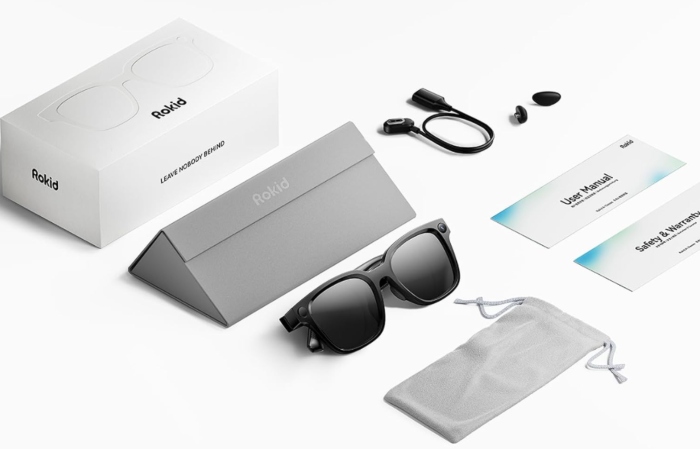
The Rokid AI App provides free firmware updates, which can add new features without requiring new hardware. The glasses also support lens removal and replacement if the included sunglasses lenses are unsuitable for a particular use. There is a 1-year warranty, while Amazon lists a voluntary 30-day return guarantee subject to its terms.
Questions Buyers Often Ask
Q1. Do the Rokid AI Glasses Style have a display?
A: No. They are designed as non-display smart glasses and provide AI and other functions primarily through audio.
Q2. Do they support ChatGPT and Gemini?
A: Yes. The product supports both AI assistants through voice interaction.
Q3. How good is the camera?
A: It has a 12MP Sony IMX681 camera with EIS and supports photos and 3K video recording.
Q4. Can they translate languages without internet access?
A: Yes. Online translation supports 76 languages, while offline translation supports eight listed languages.
Q5. Who should consider these glasses?
A: They are particularly suited to travel, hands-free communication, first-person content capture and everyday AI assistance.
Bottom Line
The Rokid AI Glasses Style are about hands-free AI rather than visual AR. Their combination of ChatGPT and Gemini, first-person camera, real-time translation, open-ear audio and voice control makes them most relevant to people who want useful smart functions without another screen competing for their attention.