

Philips Wi-Fi Smart Lock: A Cleaner, Smarter Way to Secure the Front Door
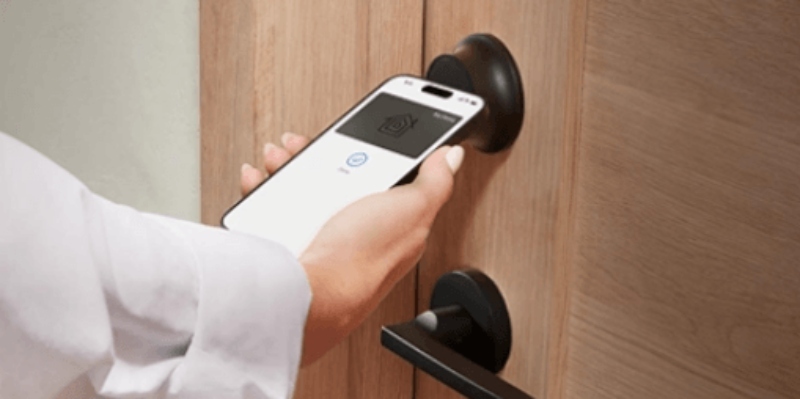
Traditional keys still work—but they increasingly feel out of step with how modern homes operate. The Philips Wi-Fi Smart Lock replaces the routine of keys, spare copies, and lockouts with something more flexible: fingerprint access, remote control, and automatic locking built into a sleek matte-black keypad design.
What Makes It Practical for Everyday Living
Built-In Wi-Fi Without Extra Hubs
One of the lock’s biggest advantages is simplicity. Wi-Fi is integrated directly into the unit, so there’s no separate bridge or hub needed to manage remote access. That means faster setup and fewer devices cluttering your network.
Multiple Ways to Unlock
The system supports fingerprint recognition, passcodes, app control, voice assistant integration, and physical keys. In practice, that flexibility matters more than any single feature. Family members, guests, and delivery access can all be handled differently without constantly sharing keys.
Fingerprint Access That Feels Instant
The biometric reader responds quickly and naturally, especially compared with older keypad-only smart locks. Instead of typing codes in the dark or rain, unlocking becomes a quick touch-and-go interaction.
Remote Access That Adds Real Convenience
Through the mobile app, users can lock or unlock the door remotely, check lock status, and manage temporary passcodes. It’s particularly useful for deliveries, house cleaners, or visitors arriving while you’re away.
Auto-Locking That Reduces Human Error
One overlooked benefit of smart locks is consistency. The auto-lock function removes the uncertainty of wondering whether the door was left unlocked after leaving home.
Smart Home Compatibility Without Complexity
Support for Alexa and Google Assistant allows the lock to fit naturally into existing smart home setups without requiring advanced automation knowledge.
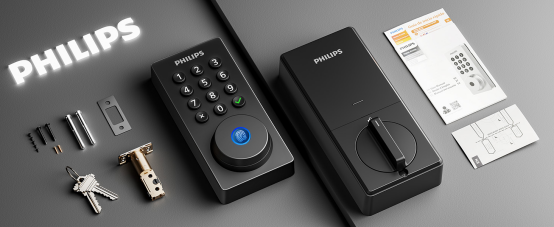
Key Considerations Before Purchase
Q1: Is installation difficult?
A: For most standard deadbolts, installation is straightforward and typically takes under an hour.
Q2: What happens if the battery dies?
A: Physical backup keys remain available, and low-battery alerts provide advance warning.
Q3: Is fingerprint unlocking reliable?
A: Yes, though keeping the sensor clean improves consistency over time.
Q4: Does built-in Wi-Fi affect battery life?
A: Slightly, but the convenience of direct connectivity often outweighs the tradeoff.
Overall Verdict
The Philips Wi-Fi Smart Lock succeeds because it focuses on practical convenience rather than flashy gimmicks. Fast fingerprint access, reliable remote control, and integrated Wi-Fi create a front-door experience that feels smoother, more secure, and genuinely easier to live with every day.
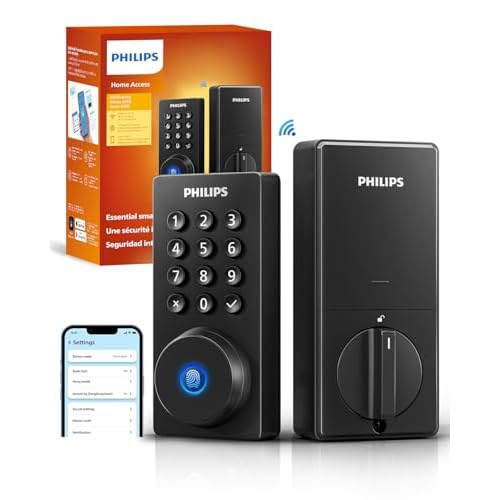
- Lock Type: Wifi Lock
- Controller Type: Amazon Alexa, Google Assistant
- Control Method: App, Remote, Voice
- Smart Home Compatibility: Smart Home Compatible
- Material Type: Aluminum
- Finish Types: Brushed
- Additional Features: Anti-Peeping Password, Auto-Lock, Fingerprint, Passcode Unlock, Remote Unlock