

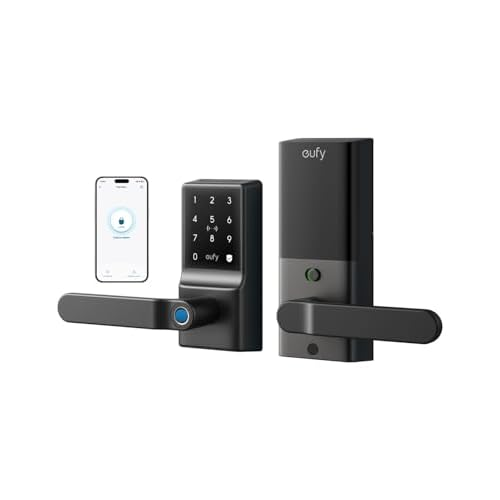
Highly recommend smart door locks for home use
I was a little skeptical of smart locks until I realised that it was one of those nice in theory products that mostly caused problems. Early on, they got the reputation for an awful lot of dead batteries, buggy apps, random connection failures. Today, things have improved, but not all models are “smart.” I've noticed that the difference is typically the nitty gritty that companies don't talk about much. Not fingerprint speed. Not futuristic design. Only whether the lock functions perfectly each and every day without having you really considering it.
This list was narrowed to that. I've taken a few of these similar products out of the way and just listed two smart locks that at this time feel the most useful for the real home. They are both sold online and easy enough for the majority of people to install themselves, and neither is a half-bleaked tech experiment.
Schlage Encode Plus Century Smart — The Most Reliable One
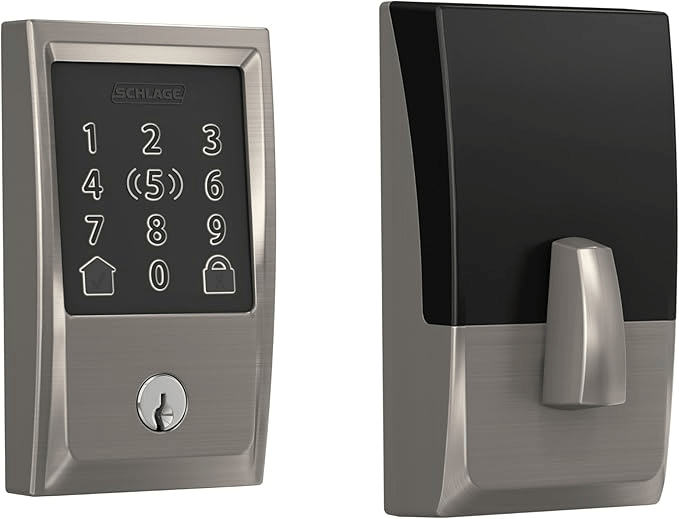
Schlage is a name that surfaces again and again when it comes to smart locks that won't let you down. The Encode Plus doesn't attempt to impress too much when you're setting it up. It's kind of why it's so successful, in a weird way. Easy app pairing, fast keypad response, and solid sounding motors. After a few days, you no longer notice it, and that's what you want out of any front-door lock, anyway.
Home Key support for Apple is also a lot better than I'd hoped. For those who already have an iPhone or Apple Watch with them at all times, unlocking the door with a tap is a weirdly addictive thing to do. Fewer and fewer people use typing anymore after using it for a while, it feels old fashioned.
As far as weight is concerned, it is heavier than several competitive smart locks. That light plastic feel around the keypad area is found in some budget models. The Encode Plus doesn’t. The buttons are solid, the locking mechanism works well, and it's more of a security product than consumer electronics.
What I liked is that it had the built-in Wi-Fi. Some older smart locks required additional bridges or hubs to access remote features, making it more difficult to set them up. Of course, in this scenario it is all built in.
It's not flawless, however. It's definitely in the premium price range, and there are some folks who quite simply wouldn't use half the smart-home options it provides. This might seem excessive if you only want to use the keypad for family members. The battery lasts well, as with most WiFi locks, frequent use of the remote may lead to faster than expected battery drain.
Yale Assure Lock 2 — A Better Fit for Most Budgets
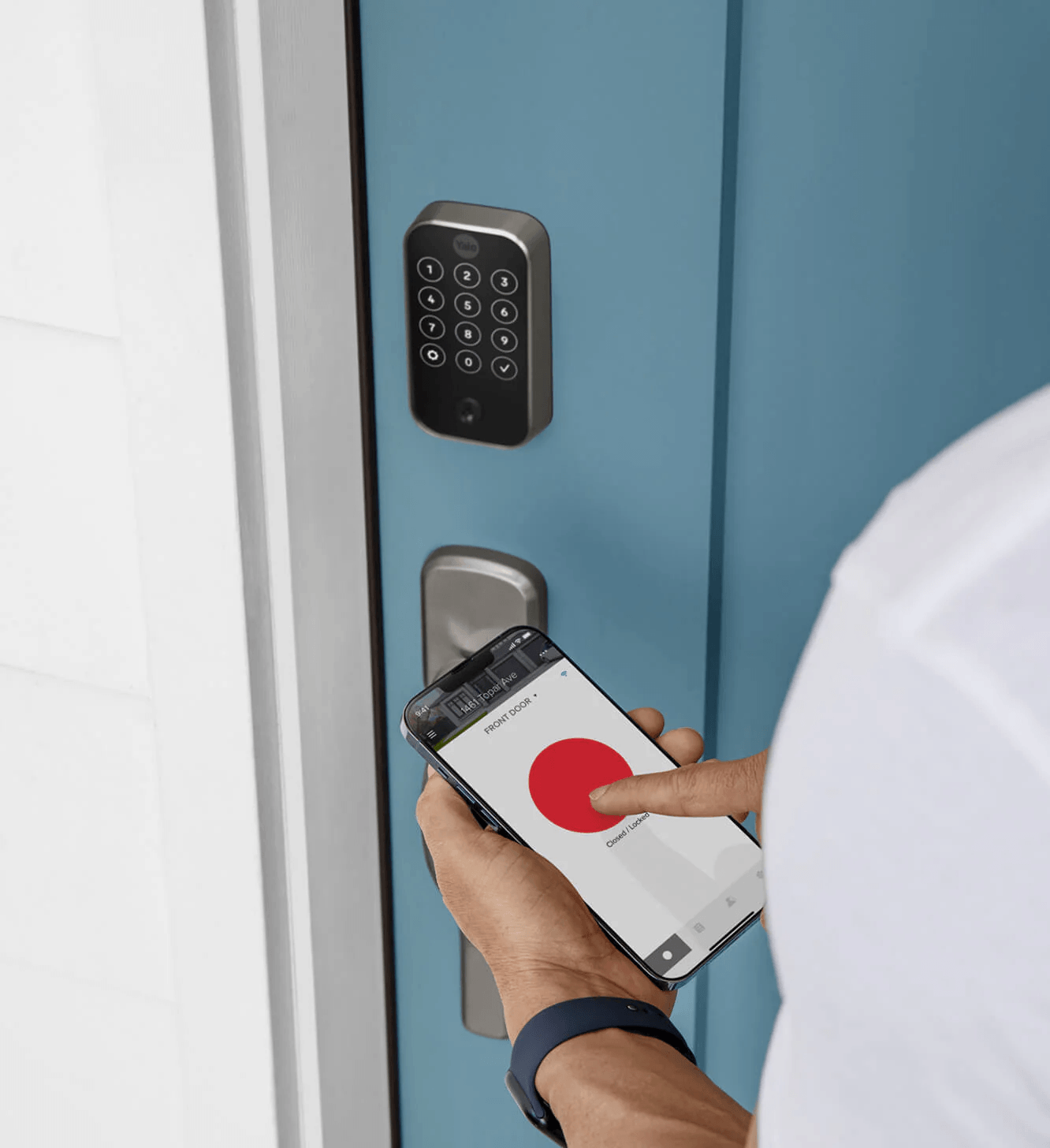
The Yale Assure Lock 2 somehow seems more accessible. Not cheap — just less intense. Many of these high-tech devices get stuck as if they're from a future era, even though it seems like a Sci-Fi streaming series set. It's simpler here at Yale. The design is integrated into a standard front door more seamlessly than some of its rivals, particularly the smaller part of the lock located inside.
The flexibility is what makes the Assure Lock 2 appealing. Multiple versions exist based on what you actually require: keypad entry, fingerprint access, Bluetooth, Wi-Fi, Matter compatibility, and even versions which still feature a classic key cylinder. While this may seem minor, it is important as not everyone wants to fully embrace one single smart-home platform. Guest access is a great one to use in the day to day. They are simple to set up and convenient for anyone who walks a dog, cleans or stays in an Airbnb or has relatives visiting that invariably forget their keys. I'm also grateful for the auto-lock feature, it made me so accustomed to the automatic door locking at night that using a dead bolt to lock the door seems very primitive.
However, the Yale is by no means perfect. The performance of the battery is not consistent depending on the version purchased and on how much one uses Wi-Fi features. There's also been some mixed feedback on the internet about lagging with the app and connectivity issues at times. Not a deal breaker but know before purchasing.
Despite the quirks, the Assure Lock 2 still manages to fall into a sweet zone, one that many locks do not. Lots of smart features without being overly complicated.
Which One Makes More Sense?
Truthfully, this is largely dependent upon the type of buyer you are.
Schlage Encode Plus is the more secure option for a higher-priced model. It looks stronger, sleeker and a little more elegant in its entirety. If reliability is more important than price, that's probably where I would go.
The Yale Assure Lock 2 is more suitable for individuals who value flexibility and don't require all the top-tier features offered. It's more of a budget-friendly choice and for many families, it will be able to perform the same day-to-day functions.
The lesson I gained from trying smart locks is that once they're flashy, they're quickly forgotten. Face recognition, sophisticated automation, and an infinite number of app settings — most people don't use after the first week.
But what really matters is simpler.
Is there a fast response from the keypad?
Is it working when you need it?
Is it possible for family members to use it without needing to get support every 2 days?
And does the lock do its job quietly so it's not another device you are troubleshooting?
That's the kind of stuff you will remember six months after. These two locks do that better than most at this time.
Final Thoughts
Smart door locks are one of those upgrades that seem unnecessary right up until you get used to having one. Then suddenly, carrying keys everywhere starts to feel outdated. At the end of the day, the “best” smart lock usually isn’t the one with the longest feature list. It’s the one that quietly works every day without making you think about it — and right now, these two come closer to that than most of the competition.